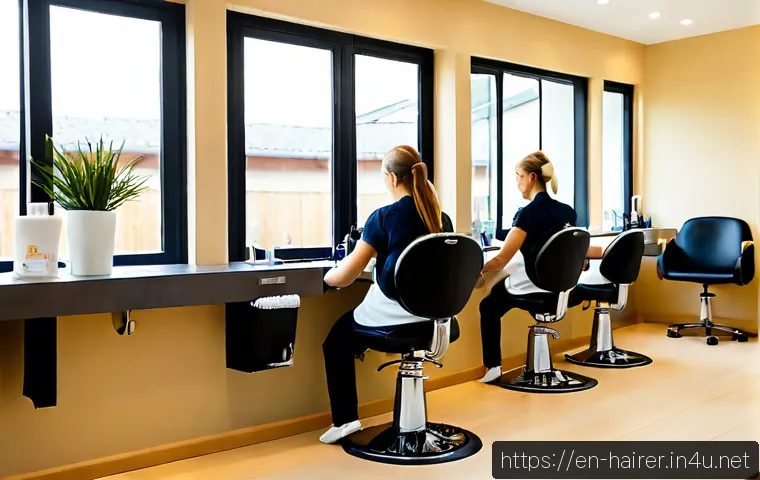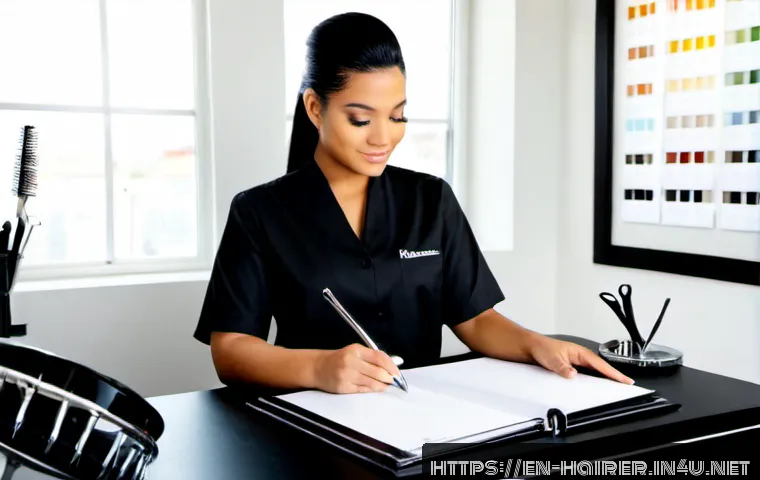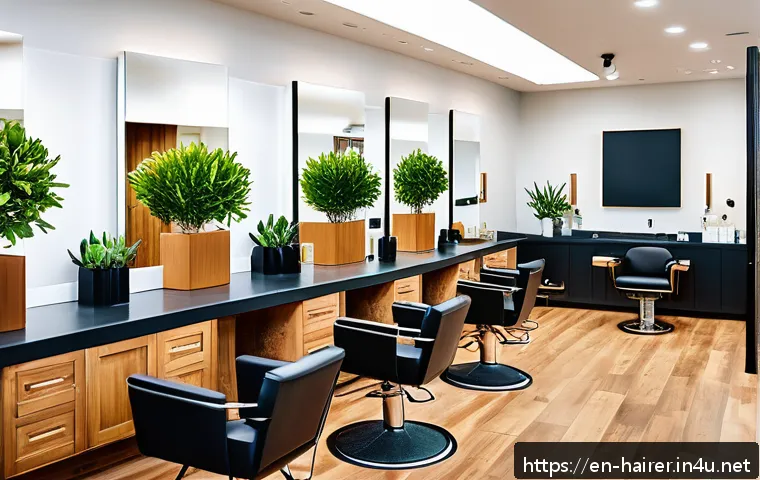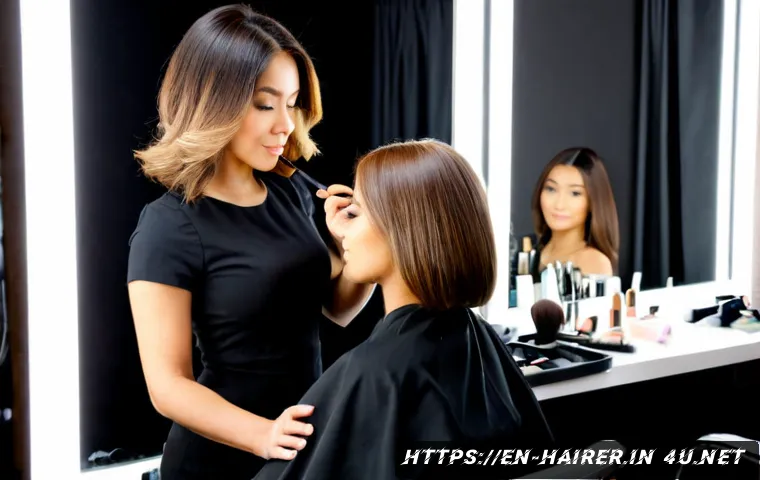
Hair stylists can add makeup services successfully when they first confirm their legal scope, train for the looks they plan to sell, and build a clean, practical kit.
It is most worthwhile when clients regularly want convenient hair-and-makeup appointments for weddings, proms, photoshoots, or other events. A combined menu can raise appointment value, but it also requires more preparation, booking time, sanitation control, and clear pricing.
Start with the service model that matches your schedule and current skill level rather than buying a large kit immediately. Some stylists benefit from a hands-on makeup course, while others do better with mentorship or a trusted freelance makeup partner.
The right choice depends on local rules, client demand, and how much responsibility you want to take on for the full event look.
At a Glance
- Confirm your local scope first: licensing rules and permitted beauty services can differ by state, province, country, and local board.
- Start with a focused service: event makeup or a limited makeup add-on is often easier to manage than offering every makeup style at once.
- Price for the full workload: include application time, product use, sanitation, travel when applicable, and realistic booking buffers.
| Service Path | Best Fit | What You Need First | Booking Consideration |
|---|---|---|---|
| Hair-only service | Stylists focused on speed and an established hair menu | Hair tools, consultation process, and clear timing | Least complex workflow, but no makeup convenience for clients |
| Makeup add-on | Stylists testing demand for event clients | Hands-on practice, a small professional kit, sanitation supplies | Add time for skin preparation, application, and cleanup |
| Full hair-and-makeup package | Bridal, prom, editorial, and special-event specialists | Reliable workflow, expanded kit, strong consultation system | Requires detailed scheduling, buffers, and clear package terms |
| Referral partnership | Stylists with limited time or no interest in makeup applications | A trusted makeup artist and a coordinated client handoff | Protects the client experience without expanding your own service scope |
Can a Hair Stylist Offer Makeup Services Successfully?
The Short Answer: Skill, Legal Scope, Hygiene, and Demand Come First
Yes, a hair stylist can build a makeup service successfully when the foundation is solid. Before advertising makeup, verify local licensing and permitted-service rules with the relevant board or authority in your area. A hair license, makeup course, or salon policy does not automatically mean the same services are allowed everywhere.
Next, assess whether you can deliver a finished look consistently, not just recreate a look under ideal practice conditions. Makeup applications require clean hands, sanitized tools, appropriate disposable applicators, and product handling that helps reduce cross-contamination. If those systems are not ready, take time to build them before accepting paid makeup bookings.
When a Combined Service Creates Real Value for Clients
Hair and makeup are a natural combination for clients who want fewer appointments and a more coordinated event schedule. Bridal parties, prom clients, editorial projects, photoshoots, and other special events may prefer one professional or one coordinated team for the full look.
The convenience is not only about having fewer vendors. A combined appointment can make it easier to plan hairstyle volume, neckline, accessories, makeup finish, and the timing of photographs. During the consultation, ask about event timing, desired coverage, skin sensitivities, allergies, and reference images so the hair and makeup plan supports the client’s goal.
When Referring Makeup Work May Be the Better Business Decision
Adding makeup is not the only way to serve clients well. A referral partnership may be the stronger choice if your salon schedule is already full, if you prefer hair-focused work, or if the requested makeup style is outside your current skill level.
A trusted freelance makeup artist can also be useful for larger bridal groups or overlapping event appointments. Be clear with the client about who is responsible for each service, the timeline, and where they should confirm individual terms. A reliable partnership can protect your reputation while you decide whether professional makeup training is the right next investment.
Choose the Right Path: Course, Certification, Mentorship, or Partnership
Compare Learning Options by Budget, Schedule, and Career Goal
A short makeup course can be useful for learning a defined service, such as wearable event makeup or salon-friendly applications. A longer certification program may suit professionals who want a more structured curriculum and repeated practice. Mentorship can be especially practical when you want feedback on real workflow, kit organization, and client communication.
There is no single best route. Choose based on your intended client type, available time, and the service you plan to offer first. If your goal is occasional makeup add-ons, a focused course and guided practice may be more suitable than a broad program. If you want bridal or editorial work, look for training that includes more extensive hands-on application practice.
What to Look for in Hands-On Makeup Training
Look for training that goes beyond product demonstrations. Useful professional makeup courses should address consultation, complexion matching, skin preparation, brush use, sanitation, product handling, timing, and adapting reference photos to different client preferences.
Ask whether you will practice on different people, receive direct feedback, and learn how to complete an application within a realistic appointment window. Training that includes only one finished look may still be helpful, but it may not prepare you for the variety of event clients you will meet.
Questions to Ask Before Paying for a Beauty Course
- Does the course teach the type of makeup service I intend to offer?
- Is there supervised hands-on practice rather than demonstration only?
- Does it cover sanitation, client consultation, and product management?
- Will I need to purchase a separate professional makeup kit?
- Does the training explain any certification, insurance, or local-rule considerations I should independently verify?
Build a Professional Makeup Service Without Overbuying
Essential Kit Categories for Event and Salon Makeup
A small professional kit can grow gradually. Begin with the categories needed for the looks you are actually booking: complexion products, brushes, eye products, lip products, skin-prep items, and dependable lighting. Avoid buying every trend product before you know what your clients request.
For a starter setup, prioritize versatility, hygiene, and reliable performance. Products that can work across several event looks are often more practical than a large collection with limited use. Keep your service menu aligned with your kit; do not promise a highly specialized look until you have the tools and practice to deliver it well.
Sanitation Supplies and Product-Management Basics
Sanitation is a core part of professional makeup service, not an optional add-on. Keep clean hands, sanitized brushes and tools, disposable applicators where appropriate, and a system for handling products without unnecessary cross-contamination.
Organize your kit so clean and used tools are clearly separated during the appointment. Review product condition regularly and replace items when needed. If a client mentions allergies, sensitivities, or a skin concern, discuss it before beginning and avoid making assumptions about what products will be suitable for them.
Lighting, Mirrors, Chair Setup, and Mobile-Service Considerations
Good lighting helps you assess complexion, blending, and overall balance before the client leaves. A mirror, comfortable chair setup, and organized work surface also make the service feel more professional. For mobile appointments, plan how you will carry your kit, protect products, maintain sanitation, and work within the available space.
Travel changes the workload. It can affect packing, setup, timing, and the number of clients you can serve in one day. Include those realities when evaluating mobile makeup service, salon insurance options, and your booking software settings.
Set Prices and Booking Times for Hair-and-Makeup Appointments
Calculate Time, Consumables, Travel, and Revision Requests
A sustainable service price should reflect more than the visible application time. Consider consultation, skin preparation, makeup application, cleanup, product use, travel requirements, and the time needed for changes or revision requests. Your experience level and local market positioning also matter.
Do not copy another artist’s menu without checking whether their service scope, timing, location, and client base are similar to yours. A clear service-pricing comparison can help you see whether an add-on, a package, or a referral model makes the most sense for your business.
Hair-Only Versus Makeup Add-On Versus Bundled Package
A hair-only menu is the simplest to schedule. A makeup add-on works well when clients want convenience but you are still building demand. A hair-and-makeup package can be a stronger fit for event specialists who have consistent systems for timing, consultation, and finishing both services.

Make the difference visible on the service menu. Clients should understand what is included, whether a trial appointment is separate, whether travel is relevant, and how long the appointment may take. Clear descriptions reduce confusion and make online booking easier to manage.
Deposits, Trial Appointments, Cancellation Terms, and Realistic Buffers
For event work, clear booking terms can reduce last-minute uncertainty. Consider whether your service model needs deposits, trial appointments, cancellation terms, or travel details. The exact approach depends on your business and local requirements, but the client should see the relevant conditions before confirming.
Build booking buffers into hair-and-makeup appointments. A client may arrive late, request an adjustment, need additional skin preparation, or require more time than expected for hair finishing. Booking software can help you block realistic service lengths and avoid stacking appointments too tightly.
Avoid Common Mistakes When Expanding Beyond Hair Services
Taking Bookings Before Practicing Full Timed Applications
A look that works during an unhurried practice session may take longer with a paying client. Practice full applications from consultation to cleanup so you understand your real timing. Include the setup, sanitation process, product selection, and final review—not only the makeup steps.
Underestimating Skin Preparation and Sanitation Requirements
Skin preparation can affect the finished makeup result and the appointment timeline. Do not rush past consultation questions about sensitivities, allergies, desired coverage, or event conditions. Maintain clean tools and careful product handling for every client, even when the appointment schedule is busy.
Promising Looks Outside Your Current Skill Level
Reference images are helpful, but they are not a guarantee that every look can be copied exactly. Be transparent about your current services and explain what you can realistically create based on the client’s preferences, features, timing, and available products. If the requested result needs a specialist, a referral can be the most professional answer.
Choosing the Best Service Model for Your Clients
Best Fit for Bridal and Special-Event Specialists
A full hair-and-makeup package may suit stylists who regularly work with weddings, proms, photoshoots, and event clients. This model needs strong timing, detailed consultations, reliable lighting, sanitation discipline, and enough buffer time for a polished final result.
Best Fit for Salon Professionals With Limited Appointment Time
A focused makeup add-on may be a better fit for salon professionals who want to test demand without rebuilding their entire schedule. Keep the menu narrow at first, use a manageable professional kit, and set booking lengths that reflect the complete appointment rather than the application alone.
Best Fit for Stylists Who Prefer a Trusted Makeup-Partner Network
A referral partnership is valuable when your clients request makeup but you want to remain hair-focused. Choose partners whose communication, sanitation practices, availability, and client approach support the experience you want your clients to receive.
Selection Criteria and Comparison Summary
Choose the model that fits your legal scope, skills, client demand, available appointment time, and willingness to invest in training and tools. The goal is not to offer every possible service. It is to offer a clear, safe, and well-managed option that clients can book with confidence.
Selection Criteria and Comparison Summary
Before committing, check these decision points:
- Local permission: Confirm whether you may legally provide and charge for makeup services in your location.
- Client fit: Identify whether your audience is primarily bridal, event, salon, editorial, or referral-based.
- Training format: Compare course formats, mentorship options, and certification programs based on practical hands-on learning.
- Kit scope: Build around essential complexion, eye, brush, sanitation, and lighting needs before expanding.
- Schedule control: Use clear appointment durations, buffers, and booking tools to prevent late event-day services.
- Price structure: Review time, consumables, travel, experience level, and local positioning before setting a package price.
Compare course formats, kit essentials, salon insurance considerations, and booking tools before committing. Check official course details, policy terms, and service conditions directly on the relevant provider pages.
Final Thoughts
Adding makeup can be a practical way for hair stylists to create more convenient event services and increase the value of a booking. It works best when training, sanitation, legal scope, consultation, and timing are treated as part of the service—not as extras. Start with a focused offer, practice the full workflow, and adjust your menu as you learn what clients consistently request. A well-run referral partnership remains a strong option if makeup does not fit your schedule or service goals.
Useful Information to Keep in Mind
- Reference images help clarify style, but they should be discussed alongside the client’s desired coverage and event needs.
- Clean tools, disposable applicators where appropriate, and careful product handling support safer professional makeup applications.
- Trial appointments can help event clients and professionals plan timing before the main date.
- Mobile services require extra planning for transport, lighting, workspace, and travel time.
Important Considerations
Licensing, certification, insurance, and permitted beauty services vary by location and may change over time. Confirm requirements with the appropriate local board, regulator, salon owner, or insurer before adding makeup to a paid service menu. Individual clients may have allergies, sensitivities, skin conditions, or event needs that require additional discussion or specialist support. Local demand and appropriate service pricing must also be evaluated in your own market.
Frequently Asked Questions
Q1. Do hair stylists need a separate license to do makeup?
A1. It depends on where you work. Licensing and permitted beauty services vary by state, province, country, and local board regulations. Confirm the rules that apply to your exact location before advertising or charging for makeup services.
Q2. Is it better to take a makeup course or partner with a freelance makeup artist?
A2. A course can be a good choice if you want to personally provide makeup services and have time to practice the full workflow. A partnership may be better if you want to stay focused on hair, have limited appointment time, or need help serving larger event groups. Compare course formats, practical training, kit needs, and your expected client demand before deciding.
Q3. How should a stylist price a hair-and-makeup package without undercharging?
A3. Build the price around total appointment time, product costs, sanitation supplies, travel requirements, experience level, and local market positioning. Include realistic time for consultation, preparation, cleanup, and possible adjustments. Clear package descriptions, booking buffers, and written service terms help prevent surprises for both you and the client.