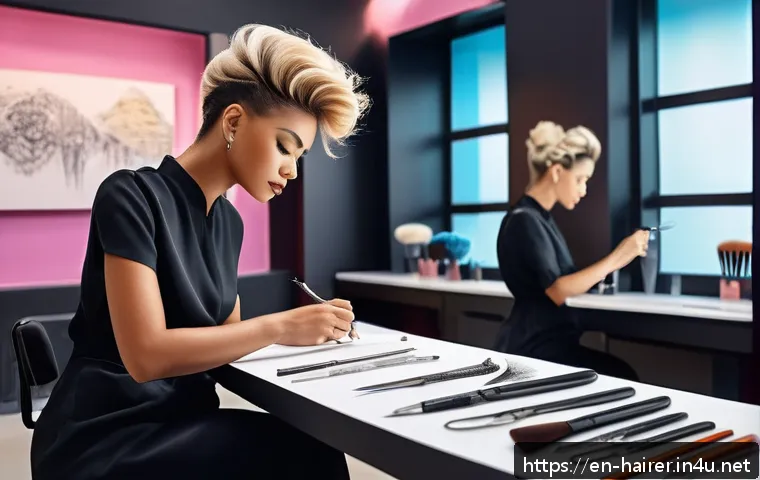
With the surge of creativity and innovation in the beauty industry, hair design competitions have become the ultimate stage for stylists to showcase their skills and originality.
Whether you’re a seasoned pro or just stepping into the competitive scene, preparing flawlessly can make all the difference between winning and missing out.
In today’s fast-paced world, mastering these contests isn’t just about talent—it’s about strategy, timing, and attention to detail. If you’ve ever wondered how top stylists consistently impress judges and stand out, you’re in the right place.
Let’s dive into insider tips that will elevate your preparation and boost your confidence for the next big event. Stick around—you won’t want to miss these game-changing insights!
Crafting a Unique Vision That Captivates
Exploring Themes Beyond Trends
When preparing for a hair design competition, the first step is to cultivate a concept that feels fresh yet authentic. It’s tempting to lean on current trends, but judges often seek originality that tells a story.
I’ve noticed that the most memorable looks come from stylists who dare to blend unexpected inspirations—whether it’s art, nature, or even personal experiences.
Taking time to brainstorm ideas that resonate with your style and message helps you create a design that feels intentional rather than just fashionable.
Keep a mood board or digital scrapbook handy to collect images, colors, and textures that spark your creativity.
Sketching Your Vision with Precision
Once you have your theme, translating that into detailed sketches is crucial. I’ve found that thorough sketching not only sharpens your idea but also prepares you for the execution phase.
When you draw, focus on proportions, angles, and how the hairstyle will move and catch light. This step is often overlooked, but it’s a game changer. Bringing your concept to life on paper ensures you won’t get lost mid-competition and can communicate your vision clearly if you’re asked to explain your work.
Choosing Materials and Tools That Enhance Your Design
Your vision will only be as strong as the tools and products you use. It’s important to test various hair products, accessories, and styling tools before the competition day.
For example, I once switched from a standard hairspray to a lightweight, flexible hold spray that allowed me to mold shapes without stiffness—this subtle choice made my style look effortlessly natural.
Experiment with different combinations to find what complements your design best, considering texture, shine, and longevity.
Mastering Time Management Under Pressure
Breaking Down the Competition Timeline
Timing is everything in hair competitions. From my experience, the key is to dissect the total allotted time into manageable chunks. Allocate specific periods for cutting, coloring, styling, and final touches.
For instance, if you have 90 minutes, you might spend 25 minutes on cutting and shaping, 30 minutes on styling, and the remaining time on detailing and corrections.
This approach prevents rushing and helps maintain quality throughout. Having a mental or physical timer nearby can keep you on track without distracting you.
Rehearsing With Mock Runs
Practicing under simulated competition conditions can’t be overstated. I always set up a mock competition at home, complete with a timer and limited mirrors, to mimic the real environment.
This rehearsal reveals unexpected challenges—like how your favorite tool handles under pressure or how lighting affects your perception of color. It also trains your mind to stay calm and focused, which is half the battle during the actual event.
Adapting On-the-Fly Without Losing Your Cool
No matter how well you prepare, unexpected hiccups happen. Maybe a section of hair refuses to cooperate or a product doesn’t behave as expected. The stylists who shine are those who adjust gracefully without panicking.
I remember a contest where my model’s hair was wetter than planned, but instead of stressing, I switched to a quicker blow-dry technique and tweaked my styling plan.
Staying flexible and confident can turn potential disasters into unique moments of brilliance.
Perfecting Your Presentation to Impress Judges
Polishing Every Detail for Maximum Impact
Presentation goes beyond just the hair—think makeup, outfit, and the model’s posture. Every element should complement your design and reinforce the story you’re telling.
In one competition, I coordinated my model’s makeup colors to mirror subtle hues in the hairstyle, which created a harmonious, polished look that judges praised.
Paying attention to small details like clean lines, flawless finishing, and even the model’s walk can elevate your overall impression.
Crafting a Clear and Engaging Explanation
Judges often ask about your inspiration and technique. Having a concise, passionate explanation ready makes a big difference. I usually prepare a short narrative highlighting what inspired me, the challenges I faced, and how I overcame them creatively.
This not only shows professionalism but also invites judges to connect emotionally with your work. Practicing this speech beforehand helps you sound natural and confident.
Utilizing Visual Aids and Supporting Materials
If the competition allows, bringing along a portfolio or a tablet with your sketches and mood boards can be a powerful addition. It provides context and depth to your design, showing the thought process behind it.
In my experience, these visual aids often spark engaging conversations with judges, giving you a chance to stand out even more.
Building Confidence Through Consistent Skill Development
Investing in Advanced Training and Workshops
The beauty industry is constantly evolving, and staying on top requires continuous learning. Attending workshops, masterclasses, and seminars exposes you to new techniques and tools.
I’ve personally found that even short courses on coloring or precision cutting can add finesse to my competition entries. Plus, networking with other stylists during these events often opens doors to collaborative ideas and fresh inspiration.
Seeking Constructive Feedback and Mentorship
Sometimes, the best way to grow is by inviting honest critique. I recommend sharing your practice work with trusted mentors or peers who can point out areas for improvement you might overlook.
When I started competing, having a mentor who provided candid feedback helped me refine my approach and avoid repeating mistakes. Embrace criticism as a tool, not a setback—it’s a vital part of your development.
Tracking Progress and Setting Realistic Goals
Documenting your journey helps maintain motivation and clarity. I keep a journal where I note what worked well, what didn’t, and what I want to focus on next.
Setting achievable milestones, like mastering a new technique or improving speed, keeps the process manageable and rewarding. Reviewing past competitions also reminds you how far you’ve come, boosting confidence for future challenges.
Optimizing Your Toolkit for Efficiency and Creativity
Choosing Versatile Tools That Support Multiple Techniques
A well-curated toolkit can be a lifesaver during competitions. I prefer tools that serve dual purposes—like scissors that cut both dry and wet hair or brushes that can create volume and sleekness.
This versatility reduces the need to switch tools frequently, saving precious time. It’s also wise to invest in lightweight, ergonomic tools to minimize fatigue during long sessions.
Maintaining and Organizing Equipment Meticulously
Nothing disrupts a flow like a dull blade or tangled cords. Regular maintenance of your tools—sharpening scissors, cleaning brushes, and checking electrical equipment—is essential.
I keep my kit organized with labeled compartments and a checklist to ensure nothing is forgotten on competition day. This habit has saved me from panicked moments and helped me focus fully on creativity.
Incorporating Innovative Products for Unique Effects
Experimenting with new products can add that extra edge. Recently, I tried a heat-activated gloss serum that gave my styles an incredible shine without weighing hair down.
Such innovations allow you to push boundaries and offer judges something unexpected. Always test new products multiple times before competition to understand their behavior fully.
Understanding Judging Criteria and Tailoring Your Approach
Researching Specific Competition Guidelines
Every contest has its own set of rules and judging parameters. I make it a point to thoroughly study these before starting prep. Knowing if emphasis is placed on creativity, technical skill, or overall presentation helps tailor your work accordingly.
For example, some competitions reward innovative color work more heavily, while others prioritize precision cuts.
Analyzing Past Winners for Patterns
Reviewing photos and videos of previous winners offers valuable insights. You start to notice common threads—like how they use symmetry, texture, or bold statements to catch judges’ attention.
While imitation isn’t the goal, understanding these patterns helps you anticipate what standards you’re up against and inspire your unique twist.
Aligning Your Strengths With Judging Priorities
Play to your strengths rather than trying to master every aspect at once. If you excel at intricate braiding, incorporate it prominently; if coloring is your forte, make it the centerpiece.
This focused approach shows judges confidence and mastery, which often scores higher than a scattered attempt to do everything. Tailoring your entry to highlight your best skills maximizes your chances of success.
| Preparation Aspect | Key Tips | Benefits |
|---|---|---|
| Concept Development | Brainstorm unique themes, create detailed sketches, select complementary tools | Originality impresses judges, clear vision guides execution |
| Time Management | Divide tasks, rehearse with mock sessions, stay adaptable | Maintains quality, reduces stress, ensures completion |
| Presentation | Coordinate makeup/outfit, prepare explanation, use visual aids | Enhances overall impact, builds emotional connection |
| Skill Growth | Attend workshops, seek feedback, set goals | Continuous improvement, increased confidence |
| Toolkit Optimization | Choose versatile tools, maintain kit, test new products | Efficiency, reliability, creative edge |
| Judging Insight | Research guidelines, study winners, align strengths | Strategic focus, higher scoring potential |
In Conclusion
Crafting a standout hair design for competition is a blend of creativity, preparation, and adaptability. By developing a clear vision, managing your time wisely, and refining your skills continuously, you set yourself up for success. Remember, every detail from tools to presentation plays a vital role in making an unforgettable impression. Stay confident and let your unique style shine through every step of the process.
Helpful Tips to Keep in Mind
1. Always start with a unique concept that reflects your personal style rather than just following trends.
2. Break down your competition time into clear segments to maintain control and quality.
3. Practice mock sessions to simulate pressure and discover areas that need improvement.
4. Pay attention to every element of your presentation, including makeup and model posture, to tell a cohesive story.
5. Regularly seek feedback and invest in learning to continuously sharpen your skills and stay ahead.
Key Takeaways for Success
Understanding the competition’s judging criteria and aligning your strengths accordingly will maximize your scoring potential. Organizing and maintaining your toolkit ensures efficiency and reduces stress on the day of the event. Preparation is not just about technical skill but also about storytelling and confidence—elements that truly captivate judges. Embrace flexibility, keep refining your craft, and approach each competition as an opportunity to showcase your growth and creativity.
Frequently Asked Questions (FAQ) 📖
Q: How can I effectively prepare my hairstyle design to impress judges in a competition?
A: Preparation is key, and from my experience, starting with thorough research on the competition theme and judging criteria helps you align your design accordingly.
Practice your technique multiple times to refine every detail, and don’t forget to incorporate a unique element that reflects your personal style. Timing yourself during practice sessions also builds confidence and ensures you complete your look within the allotted time.
Remember, judges appreciate creativity combined with flawless execution, so pay attention to symmetry, texture, and finish.
Q: What common mistakes should I avoid during a hair design competition?
A: One mistake I’ve seen often is neglecting the importance of clean, polished details—flyaways, uneven layers, or rushed styling can cost valuable points.
Another pitfall is failing to manage your nerves; staying calm helps maintain steady hands and clear focus. Also, avoid overcomplicating your design; sometimes simplicity executed perfectly stands out more than a complicated style that looks unfinished.
Lastly, make sure your tools are in top condition and that you have backup products ready, so technical issues don’t derail your performance.
Q: How can I boost my confidence before stepping onto the competition stage?
A: Building confidence comes from preparation and mindset. Personally, I find visualizing success and running through the entire routine mentally helps reduce anxiety.
Arriving early to set up and get comfortable with the environment also eases nerves. It’s helpful to remind yourself that judges are there to appreciate your creativity, not to intimidate you.
Surrounding yourself with supportive peers or mentors before the event provides emotional backup, and focusing on your passion for hairstyling rather than the outcome makes the experience enjoyable, which naturally shines through in your performance.