Starting out as a rookie hairdresser can be both thrilling and nerve-wracking, especially when welcoming your very first client. With the beauty industry evolving rapidly and client expectations higher than ever, even small mistakes can impact your reputation early on.

From awkward greetings to misreading client needs, these initial stumbles are common but completely avoidable. If you want to make a lasting positive impression and build trust right from the start, understanding these pitfalls is key.
Let’s dive into the top rookie mistakes and how you can confidently steer clear of them to kick off your career on the right foot.
Mastering First Impressions: The Art of Greeting Your Client
Setting the Tone with a Warm Welcome
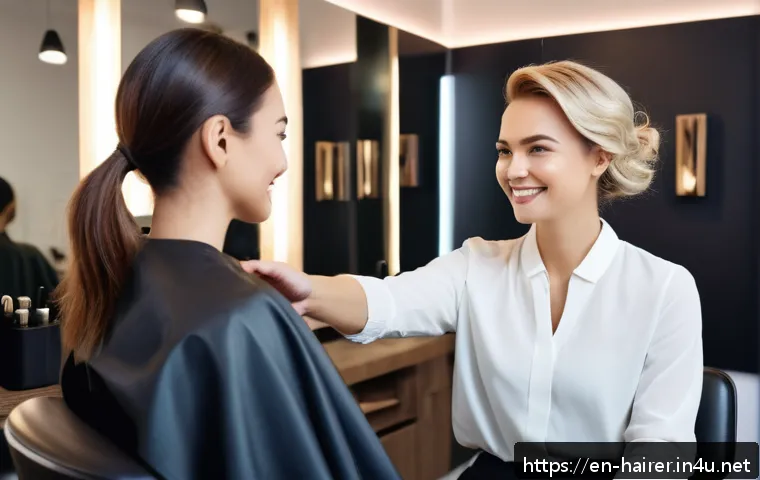
Making your client feel genuinely welcomed right from the start sets a positive tone for the entire appointment. I’ve noticed that a simple smile combined with direct eye contact can melt away nerves on both sides.
Avoid robotic greetings or overly formal language that can create distance. Instead, try a relaxed, friendly tone like, “Hi! I’m so glad you’re here today.
How are you feeling about your appointment?” This invites conversation and shows you care beyond just the haircut. The key is to sound natural, like you’re happy to meet them, not just going through the motions.
Introducing Yourself and Building Trust
When I first started, I sometimes skipped introducing myself properly, assuming clients knew who I was. Big mistake. A quick intro helps break the ice and establishes a personal connection.
Something like, “I’m [Your Name], and I’m excited to work with you today,” can make clients feel more comfortable and confident in your skills. It also opens the door for them to ask questions or share preferences, which is crucial for a successful cut or style.
Remember, people come to a stylist they can trust, not just someone with scissors.
Reading Client Body Language and Responding
Noticing subtle cues like hesitation or discomfort can save you from misunderstandings. For example, if a client keeps glancing at the door or fidgeting with their phone, they might be unsure or anxious about the appointment.
I learned to gently ask, “Is there anything you’d like to talk about before we get started?” This often uncovers hidden concerns or preferences that clients didn’t mention upfront.
Being attentive to these non-verbal signals shows empathy and professionalism, making your client feel truly cared for.
Decoding Client Requests: Avoiding Miscommunication
Asking the Right Questions to Clarify Expectations
Clients often use vague terms like “just a trim” or “something fresh,” which can mean very different things to different people. Early in my career, I realized the importance of detailed questions like, “How much length are you thinking of taking off?” or “Do you want to keep your current style or try something new?” These questions help align your vision with theirs.
I also find it helpful to ask about maintenance preferences, so the style fits their lifestyle. This prevents surprises and builds trust that you understand their needs.
Using Visual Aids to Confirm Styles
Sometimes words aren’t enough. I always encourage clients to bring photos or browse styles together on a tablet or phone. Visual references help avoid guesswork and ensure you’re both on the same page.
When I started doing this, I noticed fewer revisions and happier clients. It’s also a great opportunity to discuss what will work best for their hair type and face shape, showing your expertise and care.
Don’t hesitate to explain why a certain style might not suit them—clients appreciate honest guidance.
Summarizing and Confirming Before Cutting
Before picking up your scissors, it’s smart to repeat back what you heard: “So you’d like a shoulder-length cut with soft layers and some texture, right?” This simple step helped me avoid costly mistakes and boosted client confidence.
It’s like a contract you both agree on, reducing anxiety and ensuring clarity. If something feels off, this moment is your chance to adjust the plan without stress.
Trust me, clients notice when you take extra care to confirm their wishes.
Managing Time Without Rushing or Dragging
Balancing Efficiency with Quality
When I was new, I often felt pressure to speed up to fit schedules, which sometimes compromised quality. The truth is, clients value a thorough, unhurried experience over a rushed job.
Setting realistic time expectations at booking and gently managing the pace during the appointment helps. For example, saying, “I want to make sure we get every detail right, so this will take about an hour,” prepares clients and reduces stress for both of you.
Remember, quality work builds repeat business far better than fast cuts.
Handling Unexpected Delays Gracefully
Things don’t always go as planned—maybe a client wants an extra service, or you hit a tricky section. When this happens, keeping clients informed is key.
I learned to say, “This part is taking a bit longer because I want it to look perfect. Thanks for your patience!” This transparency keeps clients relaxed and reassured, even if the schedule shifts.
Plus, it shows professionalism and respect for their time.
Using Breaks Wisely to Maintain Focus
Long appointments can tire both stylist and client. Taking short breaks, even a minute or two to step back and review your progress, can improve final results.
I find it helpful to explain this to clients: “I’m just going to check how the layers are settling. It’ll only take a moment.” This keeps them in the loop and prevents them from feeling neglected.
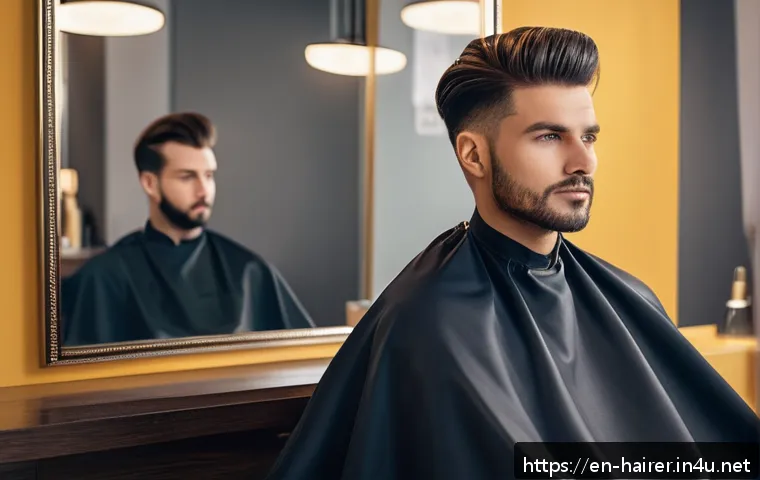
Plus, fresh eyes catch details you might miss when focused too long.
Handling Client Feedback and Corrections with Confidence
Encouraging Open Communication Throughout
Creating an environment where clients feel comfortable sharing feedback is a game changer. Early in my career, I hesitated to ask if they liked what I was doing, worried about sounding insecure.
But now, I make it a habit to check in: “How does this feel so far?” or “Is this the length you imagined?” This invites dialogue and helps catch any issues early.
Clients appreciate being heard and involved in the process, which strengthens trust.
Responding Calmly to Criticism
Nobody likes hearing that their work isn’t perfect, especially when you’re new. I’ve been there. The trick is to stay calm and professional.
Thank clients for their honesty and ask specific questions to understand their concerns better. For instance, “Can you tell me what you’d like adjusted?” This shows you’re committed to making it right.
Avoid getting defensive; instead, focus on solutions. This approach often turns a dissatisfied client into a loyal one.
Offering Solutions and Follow-Up
If a client wants changes after the cut, offering to fix it promptly is crucial. I always say something like, “Let’s adjust that now so you leave feeling happy.” If immediate correction isn’t possible, scheduling a quick follow-up appointment shows dedication.
Some stylists offer small discounts or complimentary services in these cases, which can turn a potential negative into a positive experience. Your willingness to go the extra mile will be remembered.
Building Rapport Beyond the Chair
Remembering Personal Details
I found that jotting down small notes about clients—like their favorite products, kids’ names, or hobbies—helps build a strong personal connection. Mentioning these next time they visit (“How was your daughter’s recital?”) makes clients feel valued as people, not just appointments.
This rapport encourages loyalty and referrals. It’s a little extra effort that pays off big time.
Sharing Professional Tips and Care Advice
Clients appreciate stylists who go beyond cutting hair and act as trusted advisors. I often share personalized tips like how to maintain their new style or recommend products suited for their hair type.
When done naturally, this positions you as an expert who genuinely cares. I’ve seen clients return not just for cuts, but for guidance and product purchases, which boosts income and relationships.
Being Genuine and Approachable
Authenticity is the secret sauce. Trying to act like an expert without real passion or warmth is transparent. Clients pick up on this immediately.
I always aim to be myself—sometimes joking, sometimes sharing stories—to create a comfortable atmosphere. This authenticity invites clients to relax and enjoy the experience, making them more likely to come back and recommend you to friends.
Essential Checklist for Rookie Hairdressers When Meeting First Client
| Step | What to Do | Why It Matters | Tips |
|---|---|---|---|
| Greeting | Smile, eye contact, friendly tone | Sets welcoming atmosphere | Use client’s name if possible |
| Introduction | Say your name and role | Builds trust and connection | Keep it brief but warm |
| Consultation | Ask detailed questions about style and preferences | Clarifies expectations, avoids mistakes | Encourage clients to show photos |
| Confirmation | Repeat back plan before starting | Ensures mutual understanding | Address any doubts immediately |
| Time Management | Set realistic timing and communicate | Prevents rushing, builds professionalism | Inform clients of any delays |
| Feedback | Ask for input during and after | Allows adjustments, increases satisfaction | Stay calm and open-minded |
| Follow-Up | Offer fixes or future appointments if needed | Shows commitment, encourages loyalty | Consider small gestures of goodwill |
| Personal Rapport | Remember details, share care tips | Builds long-term client relationships | Be genuine and approachable |
In Conclusion
Mastering the art of greeting your client is the foundation of building lasting relationships and delivering exceptional service. A warm welcome, clear communication, and genuine care create trust and comfort from the very first moment. Remember, every interaction is an opportunity to showcase your professionalism and personality. With these skills, you’ll not only satisfy clients but also encourage their loyalty and referrals.
Helpful Tips to Keep in Mind
1. Always greet your client with a smile and maintain eye contact to establish immediate rapport.
2. Take time to introduce yourself clearly, making clients feel more at ease and connected.
3. Ask detailed questions and use visual aids to ensure you fully understand their preferences.
4. Manage time wisely by setting realistic expectations and communicating any changes promptly.
5. Encourage open feedback throughout the process and offer solutions to any concerns without defensiveness.
Key Takeaways for Success
Effective client interaction starts with a genuine and friendly approach that builds trust quickly. Clear, detailed consultations prevent misunderstandings and align expectations perfectly. Balancing efficiency with quality ensures clients feel valued without being rushed. Handling feedback calmly and offering prompt resolutions strengthens client confidence and loyalty. Lastly, nurturing personal connections beyond the chair turns one-time visits into lasting relationships that fuel your success.
Frequently Asked Questions (FAQ) 📖
Q: uestionsQ1: How can I make a great first impression on my very first client as a rookie hairdresser?
A: Making a strong first impression starts with genuine warmth and active listening. Greet your client with a friendly smile and introduce yourself confidently.
Before picking up your scissors, spend time understanding exactly what they want—ask open-ended questions and repeat back what you hear to confirm. Showing that you care and are attentive builds trust instantly.
Also, maintaining a clean, organized workspace adds to a professional vibe. From my experience, clients appreciate when you take the time to connect and make them feel comfortable; it sets the tone for a positive appointment.
Q: What common mistakes should I avoid when working with my first clients?
A: One of the biggest rookie mistakes is rushing through the consultation or jumping into the haircut without fully understanding the client’s expectations.
Miscommunication here can lead to dissatisfaction. Another pitfall is neglecting to manage client comfort—small things like checking if the water temperature is okay or explaining each step can make a huge difference.
Also, avoid overpromising results you’re not confident delivering. I’ve learned firsthand that patience, clear communication, and realistic promises are essential to avoid those early blunders and build a loyal client base.
Q: How can I handle nerves and build confidence during my first few client appointments?
A: Feeling nervous is completely normal, even for seasoned pros. To build confidence, preparation is key—practice your techniques regularly and review popular styles so you feel ready.
Before each appointment, take a few deep breaths and remind yourself that clients want you to succeed. Focus on one step at a time rather than the whole process at once.
I found that after a few clients, the nerves naturally fade as you gain experience and positive feedback. Remember, every expert started as a beginner, so give yourself grace and celebrate small victories along the way.