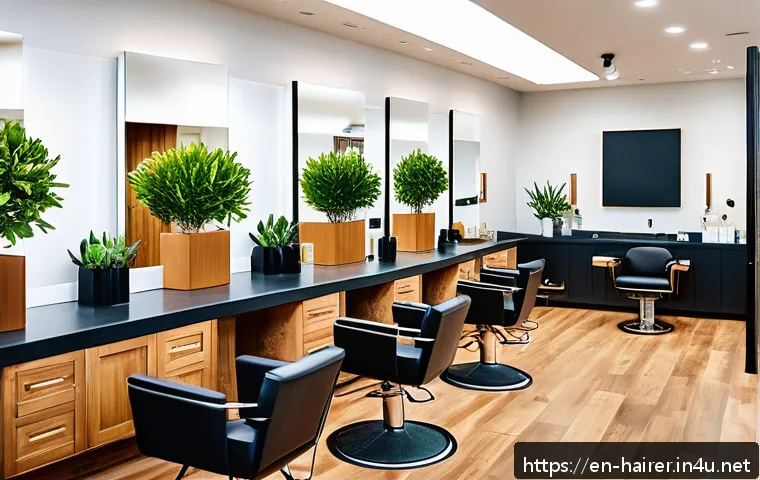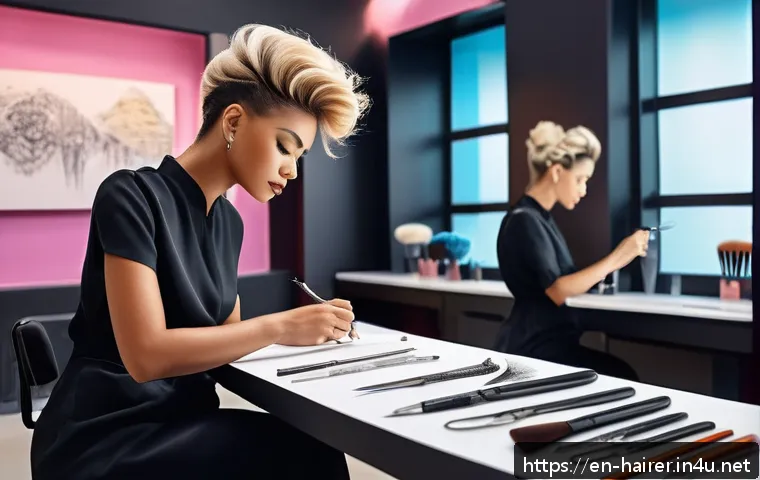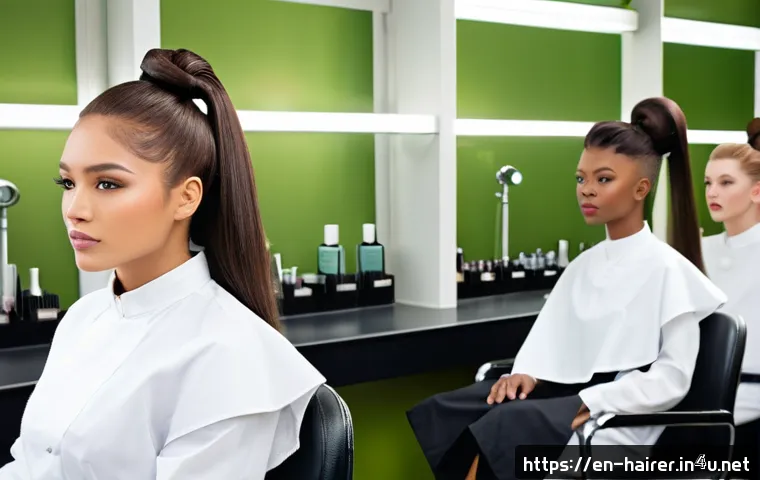
In today’s fast-paced beauty industry, standing out as a hair designer requires more than just talent—it demands formal education and hands-on experience.
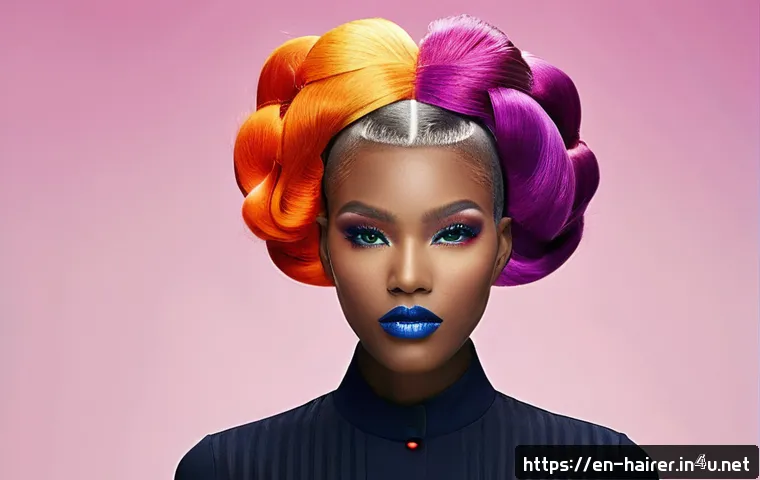
With the surge in creative hairstyling trends and growing demand for skilled professionals, pursuing a hair designer degree has never been more relevant.
Whether you’re dreaming of launching your own salon or working with top-tier clients, understanding the right educational path is crucial. This guide dives deep into the best programs available, helping you unlock your full creative potential and turn your passion into a rewarding career.
Ready to explore how a hair designer degree can transform your future? Let’s get started!
Exploring the Core Curriculum of Hair Design Programs
Fundamental Techniques and Practical Skills
Mastering the essentials is the foundation of any solid hair design education. From classic cutting and styling to mastering blowouts, students spend countless hours practicing hands-on techniques that shape their future expertise.
In my experience, this phase is where creativity meets discipline—understanding how to execute precise cuts or color treatments underpins every advanced style.
It’s not just about knowing what to do but developing the muscle memory and confidence to perform under pressure, whether in a classroom or a bustling salon environment.
Creative Expression Through Advanced Styling
Once the basics are well-established, programs typically encourage students to push their boundaries with avant-garde styling, editorial work, and trend forecasting.
This part of the curriculum often includes projects that simulate real-world client consultations and photo shoots. Personally, these assignments were my favorite because they allowed me to experiment with bold colors and shapes, bringing my artistic visions to life.
It’s also a critical stage where students learn to balance creativity with client preferences and salon standards—a skill every successful hair designer must master.
Salon Management and Client Relations
Beyond the chair, understanding how a salon operates is crucial for those aiming to launch their own business or climb the professional ladder. Courses covering customer service, appointment scheduling, inventory management, and marketing teach students how to build lasting client relationships and maintain a thriving salon.
From firsthand experience, I can say that knowing how to manage these aspects effectively can make or break a career. After all, talent alone won’t keep the chairs filled or the business profitable.
Comparing Different Educational Paths in Hair Design
Certificate vs. Associate Degree: What’s the Difference?
Many aspiring hair designers face the choice between a shorter certificate program and a more comprehensive associate degree. Certificate programs typically focus on core skills and can be completed in under a year, ideal for those eager to enter the workforce quickly.
On the other hand, associate degrees usually span two years, offering in-depth training that includes business and science-related courses. From what I’ve seen, while certificates get you started, an associate degree often opens doors to higher-level opportunities and builds a stronger foundation.
Online Learning Options and Their Effectiveness
With the rise of digital education, some schools offer online courses for hair design theory, complementing in-person practical training. This hybrid model provides flexibility, especially for students balancing work or family commitments.
However, based on conversations with industry pros and my own observations, hands-on practice remains irreplaceable. The tactile experience of cutting, coloring, and styling simply can’t be fully replicated online, so combining both methods tends to yield the best results.
Specialized Programs for Niche Markets
Certain programs cater to specialized areas like bridal hairstyling, men’s grooming, or theatrical makeup. Choosing such a niche can help designers carve out a unique brand and clientele.
From what I gathered working in salons, specialists often command premium rates and enjoy loyal customers. If you have a clear passion or talent in a specific segment, pursuing targeted education can be a game changer for your career trajectory.
Understanding Accreditation and Industry Recognition
Why Accreditation Matters
When choosing a program, accreditation is a key factor that impacts your education’s quality and your future licensure. Accredited schools meet rigorous standards set by industry bodies, ensuring that the curriculum is up to date and comprehensive.
Personally, attending an accredited institution gave me confidence in my training and made licensing exams less daunting. Moreover, employers tend to prefer graduates from accredited schools, which can smooth the job search process.
Licensing Requirements Across States
Licensing laws vary widely depending on where you plan to work, with each state requiring specific exams and hours of training. This means your education must align with your local regulations.
I found that researching state boards early on helped me select a program that met all necessary criteria, saving me time and unexpected hurdles later.
Staying informed about these requirements is critical—no matter how skilled you are, practicing without a license is simply not an option.
Industry Partnerships and Internship Opportunities
Programs with strong connections to salons and brands often provide invaluable internship or apprenticeship placements. These real-world experiences not only hone skills but also help build a professional network.
I remember my internship was where I really felt the energy of a live salon, learning how to juggle multiple clients and handle unexpected challenges.
Such opportunities can be the stepping stone to full-time employment and mentorship from seasoned stylists.
Financial Considerations and Funding Your Education
Tuition Costs and Hidden Expenses
While tuition fees are the obvious expense, it’s important to consider additional costs like supplies, uniforms, and exam fees. Many programs require students to purchase their own professional tools, which can add up quickly.
In my case, budgeting for quality shears and color kits was a necessary investment. Being financially prepared helps you avoid stress and allows you to focus fully on your studies and practice.
Scholarships, Grants, and Loan Options
Many schools and industry organizations offer scholarships specifically for hair design students. Additionally, federal grants and loans can provide financial relief for eligible candidates.
I’d recommend actively searching for these opportunities early in the application process and applying to as many as possible. Every bit helps, and in my experience, securing funding can reduce the burden significantly and keep you motivated.
Return on Investment: Career Earnings Potential
The beauty industry offers a wide range of income possibilities, from entry-level salon positions to high-end freelance work and business ownership. According to industry data, experienced hair designers can command impressive hourly rates, especially in metropolitan areas.
From my perspective, the initial investment in education often pays off within a few years, provided you continue to hone your skills and build your client base.
Career Paths After Completing a Hair Design Degree
Salon Stylist and Color Specialist Roles
Most graduates start their careers working as stylists or colorists in salons, salons, or spas. These roles allow you to apply your skills daily, build relationships, and develop a portfolio.
I remember my early days as a stylist involved a lot of learning on the job, but it was also incredibly rewarding to see clients leave happy and confident.
Specializing in color can also open doors to higher pay and niche clientele.
Freelance and Editorial Hair Styling
For those drawn to fashion and media, freelance work offers flexibility and creative challenges. Editorial stylists collaborate on photo shoots, runway shows, and advertising campaigns.
I once assisted on a shoot, and the pace was intense but exhilarating. Freelancers need strong networking skills and the ability to market themselves, but the creative freedom can be well worth it.
Entrepreneurship: Owning Your Salon
Starting your own salon is a dream for many hair designers but requires business acumen alongside technical skills. Courses in salon management and marketing prepare you for this path, but real-world experience is invaluable.
I’ve seen friends launch successful salons by combining excellent service with smart business strategies. Owning a salon offers independence and the chance to create a unique brand and culture.
Essential Tools and Technologies in Modern Hair Design Education
Innovative Styling Equipment and Products
From ceramic irons to organic hair dyes, modern hair design programs expose students to the latest tools and formulations. Learning to use cutting-edge equipment not only improves results but also ensures client safety and satisfaction.
I noticed that staying updated with new products helped me stand out professionally and offer clients healthier options.
Digital Tools for Design and Client Management
Technology has transformed how hair designers plan styles and manage bookings. Many programs now incorporate software for virtual consultations and appointment scheduling.
I found that mastering these digital tools streamlined my workflow and enhanced client communication, which is essential for repeat business.
Sustainability and Eco-Friendly Practices
With growing environmental awareness, some programs emphasize sustainable practices, such as reducing chemical waste and using eco-friendly products. Personally, adopting these habits not only appealed to a conscious clientele but also made me feel proud of contributing positively to the industry.
This emerging trend is reshaping how salons operate and how designers approach their craft.
| Program Type | Duration | Focus Areas | Typical Cost Range | Career Outcomes |
|---|---|---|---|---|
| Certificate | 6-12 months | Core hair cutting, styling, basic color | $5,000 – $15,000 | Entry-level stylist, assistant |
| Associate Degree | 18-24 months | Advanced techniques, salon management, business | $15,000 – $40,000 | Licensed stylist, color specialist, salon manager |
| Specialized Diploma | 6-12 months | Bridal, men’s grooming, editorial styling | $7,000 – $20,000 | Freelance stylist, niche expert |
In Conclusion
Hair design education offers a comprehensive journey from mastering fundamental skills to exploring creative and business aspects of the industry. Whether you choose a certificate, associate degree, or specialized program, each path provides valuable tools to build a successful career. Real-world experience combined with up-to-date training is key to thriving in this dynamic field.
Useful Information to Keep in Mind
1. Choosing an accredited program ensures quality education and eases the licensing process.
2. Hands-on practice is essential—online theory courses complement but cannot replace in-person training.
3. Budget carefully for supplies and hidden costs to avoid financial surprises during your studies.
4. Specialized training can help you stand out and command higher rates in niche markets.
5. Building strong client relationships and mastering salon management are just as important as technical skills.
Key Takeaways
When pursuing a career in hair design, prioritize programs that blend practical skills with business knowledge to prepare you for diverse roles. Accreditation and state licensing requirements must guide your education choices to ensure smooth entry into the profession. Hands-on internships and real-world exposure are invaluable for skill development and networking. Lastly, managing finances wisely and considering your long-term career goals will help you maximize your investment and success in this creative industry.
Frequently Asked Questions (FAQ) 📖
Q: What are the key benefits of earning a hair designer degree compared to just learning on the job?
A: Earning a hair designer degree provides a structured foundation in both theory and practical skills that you might miss when learning solely on the job.
Formal education covers essential topics like hair anatomy, color theory, sanitation, and advanced cutting techniques, which ensure you deliver safe and trendy services.
Additionally, accredited programs often offer internships or apprenticeships, giving real-world experience under professional guidance. This combination builds confidence, credibility, and a competitive edge when applying for jobs or starting your own salon.
Q: How long does it typically take to complete a hair designer degree, and what does the curriculum usually include?
A: Most hair designer programs take anywhere from 9 months to 2 years to complete, depending on whether you attend full-time or part-time. The curriculum usually blends hands-on training with classroom learning, covering hair cutting, styling, coloring, chemical treatments, client consultation, and salon management basics.
Some programs also teach business skills, like marketing and customer service, preparing you to run or work effectively in a salon environment. Personally, I found that balancing theory with practical sessions was crucial in feeling ready for real client interactions.
Q: Can a hair designer degree help me advance my career or increase my earning potential?
A: Absolutely! Having a recognized hair designer degree often opens doors to higher-paying positions and more prestigious salons. Employers value formal education because it demonstrates commitment and a solid skill set.
Plus, with specialized training, you can offer advanced services like balayage or precision cuts that command premium prices. If you dream of opening your own salon, the knowledge gained from your degree about business operations and client management can be a game-changer.
From my own experience, investing in education significantly boosted both my confidence and income.