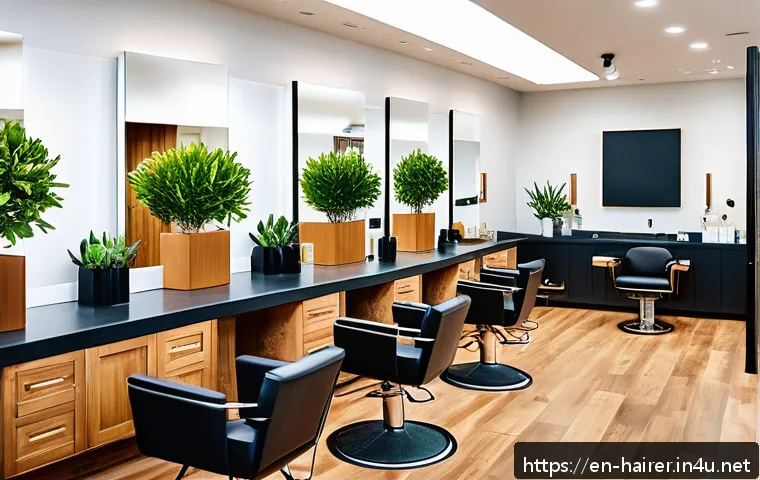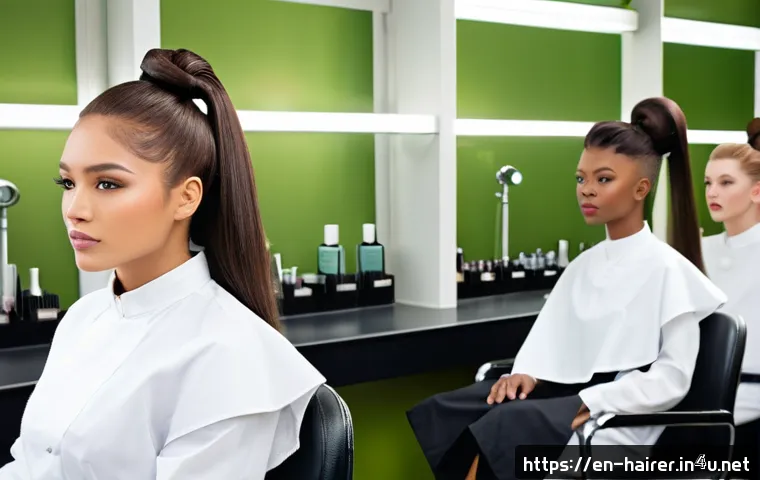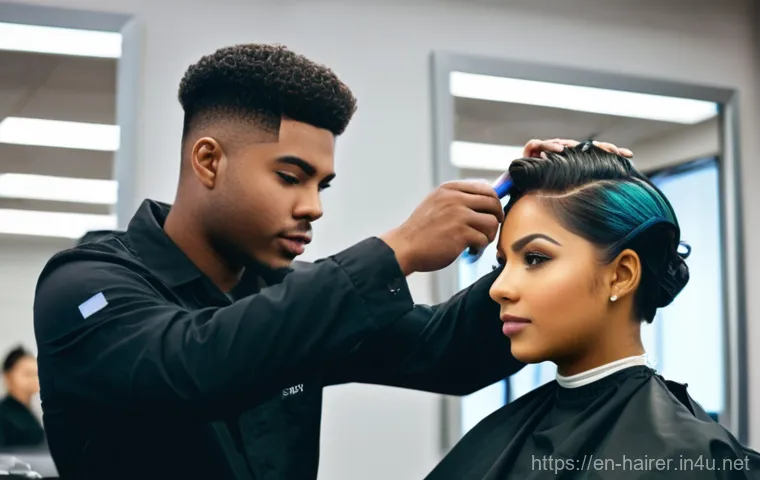
Hey there, future hair wizards and styling gurus! Have you ever found yourself scrolling through stunning hair transformations online, picturing yourself as the artist behind the magic?
I completely understand that feeling! The dream of becoming a licensed hairdresser is incredibly powerful, offering a world of creativity, connection, and making people truly feel fantastic.
But let’s be honest, the journey to becoming a certified professional can sometimes seem a little daunting, right? You might be wondering about cosmetology schools, those intense state board exams, and exactly what steps you need to take to turn your passion into a thriving career.
I remember feeling a mix of excitement and overwhelm when I first started researching this path – it felt like a huge mountain to climb! The beauty industry is always evolving, buzzing with incredible new trends, techniques, and endless possibilities for creative expression, and securing your license is the official key to unlocking all of that.
It’s more than just a formal requirement; it’s a stamp of your dedication, skill, and readiness to provide top-notch service in a field that values both art and precision.
You’ll be joining a vibrant community, learning cutting-edge skills, and truly making a difference in people’s lives. Don’t worry, navigating this process doesn’t have to be a mystery.
Let’s uncover the exact roadmap to getting your hairdresser’s license!
Embarking on Your Educational Journey: Cosmetology School Demystified
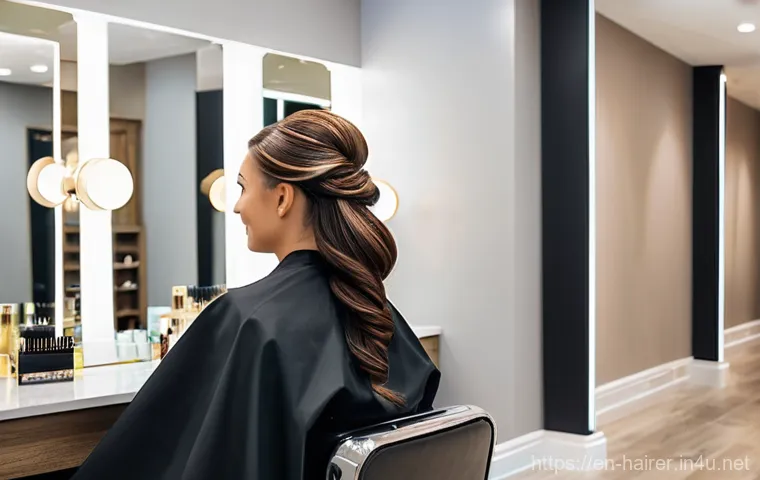
Okay, so you’ve got that burning desire to snip, color, and style your way to a fabulous career. The very first real step, the foundational one that sets everything in motion, is often enrolling in an accredited cosmetology program. I remember when I was looking into schools, it felt like sifting through a huge pile of options, trying to figure out which one was the “right” fit. It’s more than just learning how to cut hair; these programs are designed to give you a comprehensive understanding of everything from sanitation protocols and chemical safety to advanced styling techniques and even the business side of beauty. Think of it as your artistic boot camp, where you’ll spend anywhere from 9 to 18 months, or even longer depending on your state’s requirements and whether you’re going full-time or part-time, accumulating those crucial clock hours. It’s an investment in yourself, truly. You’ll get hands-on experience, guided by instructors who have likely been in your shoes and now share their wisdom. This is where you really start to connect the dots between passion and practical skill, building the muscle memory and theoretical knowledge that will serve as the bedrock of your career. It’s a challenging but incredibly rewarding phase where you’ll make friends, discover your niche, and maybe even find a mentor who will shape your professional trajectory for years to come.
Choosing the Right Program for Your Dreams
When I was researching schools, I quickly realized that not all cosmetology programs are created equal. It’s super important to look for a school that is accredited by a recognized agency, as this ensures their curriculum meets industry standards and that your hours will be recognized by your state licensing board. Beyond accreditation, think about what kind of learning environment suits you best. Do you thrive in a smaller, more intimate setting, or a larger, bustling academy? What about specialty programs? Some schools might have a stronger focus on hair coloring, while others excel in advanced cutting or even esthetics. Visiting a few schools, talking to current students, and getting a feel for the culture can make all the difference. I even sat in on a class once, and it gave me such a clear picture of what daily life would be like. Don’t be afraid to ask about job placement rates, financial aid options, and what kind of post-graduation support they offer. This isn’t just a school; it’s the launchpad for your career.
Clocking in Those Essential Hours
Every state has a minimum number of training hours you need to complete before you can even think about taking your licensing exam. This can vary wildly, from around 1,000 hours in some states to over 1,600 in others. These hours are often a mix of theoretical classroom instruction and practical, hands-on experience, often working on mannequins and eventually, real clients under supervision. My advice? Treat every single hour in school as an opportunity to learn and refine your craft. Show up early, stay late if you can, and absorb everything your instructors have to offer. The more you put into those hours, the more prepared you’ll be when it’s time to face the real world – and that intimidating state board exam! I remember the feeling of accomplishment each time I hit a new milestone in my hours, knowing I was one step closer to making my dream a reality. It’s a journey of consistent effort, and every minute counts.
Conquering the State Board Examination
After you’ve successfully completed your required cosmetology school hours, the next big hurdle – and trust me, it can feel like a *huge* one – is passing your state’s licensing examination. This isn’t just a formality; it’s a comprehensive test of all the knowledge and skills you’ve meticulously built up. The exam typically has two parts: a written (or theory) portion and a practical (or hands-on) portion. I remember the jitters leading up to my own exam; it felt like everything I had worked for was riding on those few hours. The written exam will cover a vast array of topics, from general sciences like anatomy and physiology to chemistry related to hair products, and even client safety and sanitation. The practical exam, on the other hand, is where you truly get to showcase your dexterity and technical abilities. You’ll be asked to perform various services, often on a mannequin, demonstrating your proficiency in tasks like hair cutting, styling, chemical treatments, and sometimes even makeup application. It’s a high-pressure situation, but with the right preparation, you absolutely can ace it.
Decoding the Written Exam
The theory portion of the state board exam is designed to ensure you have a solid understanding of the scientific principles and safety regulations that underpin the beauty industry. Think about all those textbooks and lectures from cosmetology school – this is where it all comes together. Questions might cover topics such as bacteriology, anatomy of the hair and skin, proper use of chemicals, client consultation techniques, and even basic business practices. My biggest tip for this part? Don’t just cram; understand the concepts. Practice tests are your best friend here. I spent countless hours going through sample questions, identifying my weak spots, and then going back to my notes to really nail those areas. It’s not just about memorizing facts, but about understanding the “why” behind what we do as professionals. A strong theoretical foundation isn’t just for passing the exam; it’s essential for ensuring the safety and satisfaction of your future clients.
Excelling in the Practical Exam
For many, the practical exam is the most nerve-wracking part. This is your moment to shine and demonstrate your actual skills under timed conditions. You’ll be given specific tasks to complete, often within strict time limits, and judged on your technique, precision, and adherence to sanitation standards. Common tasks include hair cutting (often a layered cut or a blunt cut), roller setting, chemical application (like perms or color, usually on a mannequin), and sometimes even basic facials or nail services depending on your state’s specific requirements. I found it incredibly helpful to practice these tasks repeatedly, just like I would in a real salon setting. Set up a mannequin at home, time yourself, and pretend the examiner is watching your every move. Focus on cleanliness, organization, and confidence. The more comfortable you are with the procedures, the more naturally and smoothly you’ll perform on exam day. Remember, it’s about showing you can perform services safely and professionally.
Considering Apprenticeships: A Hands-On Alternative
While cosmetology school is the most common path, it’s not the only way to earn your stripes in this industry. In some states, you might have the option to pursue an apprenticeship. This route is fantastic for those who prefer to learn by doing, immersing themselves in a real salon environment from day one. Instead of spending your days in a classroom, you’ll be working alongside experienced stylists, absorbing their techniques, client communication skills, and salon management insights firsthand. I’ve known a few incredible stylists who went the apprenticeship route, and they often speak about the invaluable, real-world experience they gained. It’s like an extended, paid internship where you truly become part of a salon family, learning not just the technical skills but also the rhythm and flow of a successful business. You’ll still have to complete a specific number of hours, often significantly more than traditional schooling, but these hours are accumulated while actively contributing to a salon and building your professional network from the start. It’s a deep dive into the industry, offering a different kind of expertise.
Finding the Right Mentorship
The success of an apprenticeship hinges almost entirely on finding the right mentor. This isn’t just someone who lets you sweep hair; it’s someone who is genuinely invested in teaching you, guiding you, and shaping you into a skilled professional. When I’ve seen apprentices thrive, it’s always been because they had a mentor who challenged them, provided constructive feedback, and opened doors to new learning opportunities. Don’t be afraid to research salons known for their apprenticeship programs or talk to local stylists about their experiences. It’s about finding a salon whose values align with yours and where you feel you can grow. A great mentor will teach you not just how to do a perfect balayage, but also how to handle difficult clients, manage your time effectively, and build a loyal clientele. This relationship can be one of the most impactful of your entire career, so choose wisely and be prepared to be a sponge for knowledge.
Weighing the Pros and Cons
Every path has its advantages and disadvantages, and apprenticeships are no different. On the “pro” side, you gain immediate, practical experience, often earning a wage while you learn. You build a professional network right away, and you get a real-time understanding of the salon business. Many apprentices feel more prepared for salon life because they’ve been living it daily. However, there are cons to consider. The required hours are usually much higher than cosmetology school, meaning it can take longer to get licensed. The breadth of theoretical knowledge might be less structured than in a formal school setting, meaning you might need to supplement your learning. Also, the quality of your education can heavily depend on the individual mentor and salon, so consistency might vary. It’s a big decision, and it’s important to research your state’s specific apprenticeship regulations and consider what kind of learning environment truly suits your personality and goals.
Navigating State-Specific Licensing Requirements
Here’s a crucial detail that often catches aspiring stylists by surprise: licensing requirements aren’t universal. What works in California might be completely different in New York, or even just across state lines. Each state’s Board of Cosmetology sets its own specific rules regarding the number of training hours, the content of the licensing exams, and even ongoing continuing education requirements. I learned this the hard way when a friend moved states mid-program and had to adjust her entire plan! It’s not just about passing an exam; it’s about understanding the specific legal framework governing your profession wherever you choose to practice. This includes everything from the minimum age requirement for licensure to specific health and safety regulations unique to that state. Before you even enroll in a program, it’s absolutely vital to look up the official Board of Cosmetology website for the state you intend to work in. This due diligence early on can save you a lot of headaches, time, and money down the road. Don’t assume anything; verify everything!
Interstate Reciprocity: Transferring Your License
One common question I get asked is about moving to a different state after getting licensed. This is where the concept of “reciprocity” comes into play. Some states have agreements where they recognize licenses issued by other states, often with some conditions. For example, you might need to prove you have a certain number of practice hours, or take a state-specific law and sanitation exam. Other states might require you to complete additional training hours if your original state’s requirements were less stringent than theirs. It’s rarely a simple one-to-one transfer, so if you’re planning a move, always check with the Board of Cosmetology in your target state well in advance. I’ve seen situations where stylists had to retake portions of their exams or complete extra hours, which can be a real hassle if you’re not prepared. Being proactive and understanding these nuances will make any future transitions much smoother.
Key Differences to Watch For
To give you a clearer picture, I’ve put together a small table outlining some typical variations you might encounter when researching state requirements. Keep in mind these are general examples, and official regulations can change, so always consult the specific state board for the most current information. This table really highlights why it’s so important to check your state’s rules directly. You’ll notice differences not just in hours but sometimes even in what specific services are covered under a cosmetology license versus, say, an esthetician or barber license. It can be a little confusing at first, but knowing what to look for makes it much easier to navigate.
| State (Example) | Required Cosmetology Hours | Typical Exam Format | Continuing Education (CE) |
|---|---|---|---|
| California | 1600 hours | Written & Practical | No state-mandated CE |
| Texas | 1500 hours | Written & Practical | No state-mandated CE |
| New York | 1000 hours (or 500 hr apprenticeship) | Written & Practical | 4 hours every 4 years |
| Florida | 1200 hours | Written (practical waived if out-of-state) | 16 hours every 2 years |
| Illinois | 1500 hours | Written & Practical | 14 hours every 2 years |
Cultivating Your Craft Through Continuing Education

Getting your license is a monumental achievement, a huge milestone that definitely deserves a celebration! But here’s the thing about the beauty industry: it never stands still. Trends come and go, new techniques emerge, and product formulations are constantly evolving. If you want to stay relevant, keep your skills sharp, and truly excel in your career, continuing education isn’t just a suggestion – it’s an absolute must. I’ve always viewed ongoing learning not as a chore, but as an exciting opportunity to push my boundaries and bring fresh ideas to my clients. Some states even mandate a certain number of continuing education (CE) hours to renew your license, which is a great push to keep learning. Beyond compliance, though, think of it as investing in your artistic growth. Whether it’s mastering a new balayage technique, diving deep into advanced hair cutting, or learning about the latest in sustainable beauty, every course you take adds another valuable tool to your professional belt. It’s what keeps the job exciting and prevents you from feeling stuck in a rut.
Staying Abreast of Industry Trends
The beauty world is a vibrant, ever-changing landscape. What was popular last year might be out this year, and revolutionary new products are always hitting the market. To truly be an influencer in your own right and keep your clients excited, you have to be plugged into these trends. This means regularly checking out industry publications, following leading stylists on social media, attending hair shows, and signing up for advanced workshops. I make it a point to go to at least one major hair show a year, and the energy, the innovation, and the sheer talent I see there always re-inspire me. It’s not just about copying what’s new; it’s about understanding the underlying principles of these trends so you can adapt them to your clients’ individual needs and preferences. Being able to offer clients the latest looks and techniques builds trust and keeps them coming back for more. They see that you’re passionate and knowledgeable, and that makes a huge difference.
Specializing for Niche Market Success
As you gain experience, you might find yourself drawn to a particular area of cosmetology, whether it’s bridal hair, color correction, textured hair, or even eco-friendly styling. Continuing education is your gateway to specializing and becoming an expert in a niche market. Think about it: when someone wants a perfect blonde, they don’t just go to any stylist; they seek out the blonde specialist. Becoming that go-to expert in a specific field can significantly boost your earning potential and job satisfaction. I remember when I decided to really hone in on advanced color theory; it opened up a whole new world of creative possibilities and attracted a clientele specifically looking for that expertise. These specialized courses go beyond the basics, giving you in-depth knowledge and advanced techniques that set you apart from the crowd. It’s about carving out your unique space in a competitive industry and building a reputation for excellence in what you love most.
Building Your Professional Portfolio and Network
Getting your license is a huge accomplishment, but it’s just the beginning of building a thriving career. In this industry, talent alone isn’t always enough; you also need to effectively showcase your skills and connect with others. That’s where a stellar professional portfolio and a robust network come in. From the moment you start practicing, whether in school or as an apprentice, you should be thinking about documenting your best work. This isn’t just for showing off; it’s tangible proof of your abilities and a crucial tool for attracting clients and securing job opportunities. Beyond the visual, building connections within the beauty community is incredibly powerful. The people you meet – fellow students, instructors, salon owners, product reps – can become your cheerleaders, mentors, and even future collaborators. I’ve found that some of my best opportunities have come through referrals and connections I’ve nurtured over the years. It’s about creating a reputation not just for amazing hair, but also for professionalism and being a great person to work with.
Curating an Impressive Visual Portfolio
Your portfolio is your visual resume, a collection of your finest work that speaks volumes about your talent. Start building it early! Take high-quality photos of every amazing haircut, color transformation, and updo you create. Don’t just snap a quick pic with your phone; learn some basic photography tips – good lighting and a clean background can make all the difference. Before-and-after shots are incredibly powerful. Think about creating a digital portfolio, perhaps on a professional website or a dedicated Instagram account, as well as a physical one for in-person interviews. This isn’t just about the final look, either; sometimes showing a creative process or a unique challenge you overcame can be just as impactful. Remember, your portfolio is a dynamic tool that should constantly be updated with your latest and greatest work. It’s a testament to your growth and artistic evolution, and I truly believe it’s one of the most effective ways to show potential clients and employers what you’re capable of.
Networking Your Way to Success
In the beauty world, who you know can be just as important as what you know. Building a strong professional network opens doors to opportunities you might never find otherwise. This means being friendly and approachable in cosmetology school, actively participating in industry events, and even reaching out to stylists you admire on social media. Attend local beauty expos, workshops, and even just casual meet-ups. When I first started out, I was a little shy, but I quickly learned the value of connecting with others. You never know who might have an opening at a fantastic salon, or who might need a freelance stylist for a special event. Be genuine, offer to help others, and always follow up. These connections can lead to mentorships, job offers, client referrals, and even friendships that last a lifetime. Your network isn’t just a list of contacts; it’s a community that can support and elevate your career.
From Licensed Professional to Thriving Entrepreneur: Launching Your Career
Once you’ve passed your state board exams and have that precious license in hand, the real adventure begins: launching your career! This isn’t just about finding a job; it’s about charting a course for a fulfilling and prosperous future in the beauty industry. Many new licensees start by assisting experienced stylists, which is an incredible way to bridge the gap between school and independent practice. You learn the nuances of salon operations, advanced techniques, and client management in a real-world setting. Others might jump right into a commission-based position or even rent a booth. The beauty of this industry is the sheer variety of career paths available to you. You could work in a high-end salon, a casual barbershop, become a freelance bridal stylist, or even eventually open your own establishment. I remember the exhilarating feeling of walking into my first salon as a licensed professional – a mix of nervous excitement and pure determination. This stage is all about gaining experience, building your clientele, and figuring out what kind of stylist you truly want to be.
Finding Your First Salon Home
Choosing your first salon can be a pivotal decision. It’s not just about the paycheck; it’s about the culture, the learning opportunities, and the support system you’ll find there. Do they offer ongoing education? Is there a mentorship program? What’s the client demographic like? I suggest trying to do some “shadowing” or even working as a receptionist for a bit if possible, to get a feel for different environments. Some salons are very corporate, while others are more boutique and independent. Consider whether you prefer a fast-paced environment or something a bit more relaxed. Ask about their commission structure, benefit packages, and how they support new stylists in building their books. Your first salon experience will shape your early career, so take your time and choose wisely. It’s where you’ll really begin to apply everything you’ve learned and start creating your own unique brand as a stylist.
Building a Loyal Client Base
Your license gets you in the door, but a loyal client base is what keeps your career flourishing. This takes time, consistency, and a whole lot of effort. It’s about more than just doing great hair; it’s about providing an exceptional experience every single time. Listen attentively during consultations, be punctual, remember client preferences, and make them feel truly special. Word-of-mouth is still the most powerful marketing tool in this industry. Ask for referrals, encourage online reviews, and leverage social media to showcase your work. I found that being genuine and really connecting with my clients on a personal level made a huge difference. They weren’t just coming for a haircut; they were coming for the conversation, the relaxation, and the feeling of being pampered. Building trust and rapport is key to turning a one-time visitor into a lifelong client who refers all their friends to you. This is where your passion truly translates into a sustainable, rewarding career.
Wrapping Things Up
And there you have it, future beauty pros! This journey into cosmetology, whether through traditional schooling or a hands-on apprenticeship, is truly a transformative one. It demands dedication, passion, and a commitment to continuous learning, but believe me, the rewards are immeasurable. From that first snip in school to the thrill of helping a client feel absolutely radiant, every step builds towards a career that’s as unique and vibrant as you are. Remember, your license is just the key – what you unlock with it, the artistry you create, and the lives you touch, that’s entirely up to you. So go forth, embrace the challenges, cherish the victories, and sculpt a career that not only fulfills your artistic soul but also makes a genuine difference in the world, one beautiful transformation at a time. The industry is waiting for your unique sparkle!
Extra Gems of Wisdom to Keep Handy
1. Start Building Your Brand Early: Even before you graduate, begin thinking about your professional identity. This includes curating your social media presence, creating a distinctive name or logo (even if it’s just for fun at first), and actively seeking feedback to refine your unique style. Your brand isn’t just about pretty pictures; it’s about the consistent experience and feeling you offer to everyone you interact with, and trust me, clients notice authenticity.
2. Financial Planning is Key: Cosmetology school is an investment, and launching your career often involves initial costs for tools, further education, or even setting up your own space. Get savvy with your finances early on. Look into scholarships, grants, and responsible loan options. Once you’re working, set clear income goals, track your expenses, and start saving for future growth, whether it’s a dream salon chair or advanced certifications.
3. Master Client Communication: This is often overlooked in technical training, but it’s absolutely paramount. Learning to truly listen to your clients, understand their desires, manage their expectations, and communicate clearly about services and pricing will set you apart. Building rapport and trust isn’t just good for business; it makes your job infinitely more enjoyable and fosters lasting relationships.
4. Embrace the Power of Digital Marketing: In today’s world, a strong online presence is non-negotiable. Beyond a great portfolio, learn the basics of social media marketing, local SEO, and how to encourage online reviews. Platforms like Instagram, TikTok, and even Google My Business are free tools that can showcase your work, attract new clients, and allow your artistry to reach a wider audience than ever before.
5. Never Stop Learning – Seriously: The moment you think you know it all, the industry will evolve right past you. Commit to lifelong learning. This means attending workshops, online courses, following industry leaders, and experimenting with new techniques. It keeps your skills fresh, your mind engaged, and your clients excited about what you can offer next. It’s not a burden; it’s the secret sauce to staying passionate and relevant.
Your Path to Beauty Brilliance: Key Takeaways
Embarking on a cosmetology career is an exciting adventure, marked by clear milestones and endless opportunities for growth. It typically begins with accredited schooling or an apprenticeship, both of which provide the foundational skills and crucial clock hours needed for licensure. Passing your state board exam, with its essential written and practical components, is the next critical step, proving your competence and readiness for the industry. Remember, state requirements vary significantly, so always verify specific hours and exam details for your chosen location to avoid any surprises. Beyond licensure, the journey truly flourishes through continuous education, specializing in your passions, and diligently building a robust professional portfolio and network. This dynamic approach not only keeps your skills sharp and relevant in a fast-evolving industry but also helps you attract and retain a loyal clientele, ultimately leading to a thriving and deeply rewarding career where your creativity truly shines. It’s all about passion, persistence, and perpetually polishing your craft!
Frequently Asked Questions (FAQ) 📖
Q: What’s the real deal with cosmetology school – what should I actually expect, and how long does it typically take to complete a program?
A: Oh, this is such a common and important question! When I first looked into cosmetology school, I had visions of just endless hours of cutting hair, but it’s so much more comprehensive, and honestly, way more engaging than I ever imagined!
Expect a mix of hands-on practice, classroom theory, and client work. You’ll dive deep into everything from hair cutting, coloring, and styling to chemical treatments like perms and relaxers, nail technology, skincare, and even the business side of running a salon.
We’re talking sanitation, client communication, and understanding different hair and skin types. As for the timeline, it really varies by state and the program you choose, but generally, a full-time cosmetology program can take anywhere from 9 to 15 months to complete.
If you opt for a part-time schedule, which many of us do to balance life, it could stretch to 18 to 24 months. Each state has a minimum number of training hours required – usually somewhere between 1,000 and 1,600 hours – before you can even think about sitting for your licensing exam.
My advice? Don’t rush it. Those hours are your foundation, your chance to practice, mess up, and learn from fantastic instructors.
I personally found that the more I invested in my school experience, showing up ready to learn every single day, the more confident I felt walking into my first salon job.
It’s a journey, not a sprint, and every hour is a step closer to mastering your craft!
Q: Beyond just finishing school, what’s often the most challenging part of getting licensed, and do you have any solid tips for acing that state board exam?
A: Okay, let’s talk about the elephant in the room: the state board exam. For many, myself included, this feels like the biggest hurdle after pouring all that time and effort into cosmetology school.
It’s not just about what you know, but how you perform under pressure. The exam typically has two parts: a written (or theory) portion and a practical (or hands-on) portion.
The written part tests your knowledge on everything you learned – sanitation, chemistry, anatomy, hair and skin care, state laws – it’s a lot to remember!
The practical exam, in my opinion, is where the real nerves kick in. You’ll be performing various services on a mannequin head or sometimes a live model, all while being timed and meticulously judged by an examiner.
I remember my hands shaking a little during my practical exam, trying to perfectly execute a haircut while feeling those watchful eyes! My absolute top tips for acing it?
First, practice, practice, practice! Don’t just rely on what you do in class. Get a mannequin head at home and run through the practical steps over and over until they’re muscle memory.
Second, take mock exams for both the written and practical sections. Many schools offer these, or you can find study guides and online tests. This helps you get used to the format and identify your weak spots.
Third, read your state’s specific cosmetology rules and regulations inside and out. Every state has slightly different requirements, and knowing these details can make a huge difference.
Finally, and this is crucial, manage your stress. Get good sleep, eat well, and remind yourself that you’ve put in the work. Trust your training!
You’ve got this, just like I eventually realized I did.
Q: Once I finally get my hairdresser’s license, what are my career options? Is it just working in a traditional salon, or is there a bigger world out there for licensed professionals?
A: This is where the fun truly begins, and honestly, the possibilities are so much wider than you might initially think! While working in a traditional salon is a fantastic starting point – and a path many, myself included, happily take for years to build a clientele and refine skills – your license opens doors to a vibrant, diverse industry.
Many licensed hairdressers go on to specialize, becoming expert colorists, extension specialists, or even texture transformation gurus. Imagine creating stunning balayage, intricate updos for weddings and proms, or crafting avant-garde looks for fashion shows!
Beyond the salon chair, you could become a freelance stylist, working on photo shoots, film sets, or even providing on-location services for clients. Think about the flexibility and creative control!
There’s also the option to become a beauty educator, teaching the next generation of stylists in a cosmetology school, or working as a platform artist for a major beauty brand, traveling and demonstrating new techniques and products.
Some choose to become salon owners themselves, building their own dream spaces, while others pivot into product development, sales, or even beauty writing and blogging – much like what I do!
The beauty industry truly celebrates creativity and entrepreneurship, so don’t limit your vision. Your license is a passport to a world of exciting opportunities; it’s just up to you to decide which adventure to embark on next!